The Advantages of Shrink Tunnel Packaging Over Traditional Methods
Businesses in the quick-moving packaging sector work hard to achieve operational efficiency while staying cost-effective and maintaining product security. Traditional packaging methods have been replaced by shrink tunnel packaging because it delivers enhanced product protection, better aesthetics, reduced material waste and scalability. The article examines the multiple advantages that shrink tunnel packaging delivers to modern enterprises.
Understanding Shrink Tunnel Packaging:
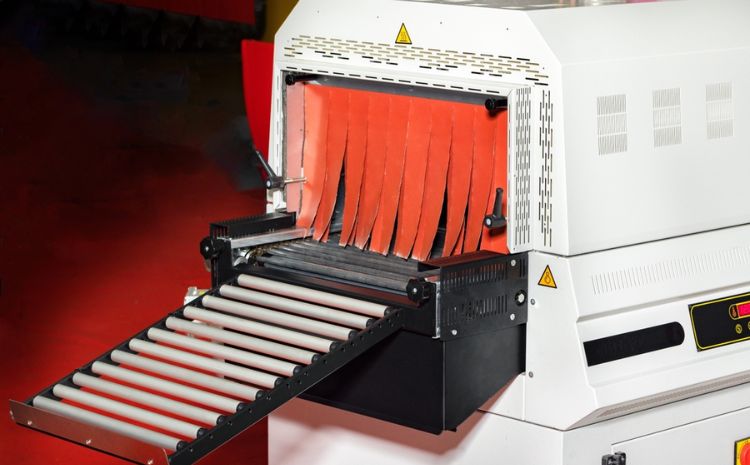
Shrink tunnel packaging remains a popular packaging method because it securely wraps products in an efficient manner. The shrink tunnel packaging procedure starts with placing items into a shrink film which gets heated in the shrink tunnel. Heat forces shrink film to form a tight wrap around products which results in a package that is secure against tampering and attractive visually.
Components of Shrink Tunnel Packaging
Shrink tunnel packaging relies on several key components, including:
1.Shrink Wrapping Machines: Shrink wrapping machines envelop products with shrink film before they go through the shrinking tunnel.
2.Shrink Wrap Tunnels: Shrink Wrap Tunnels serve as the primary location for heating shrink film until it securely adheres to the product.
3.Heat Shrink Machines: The Heat Shrink Machines produce regulated heat to shrink materials evenly while protecting products from heat damage.
Materials Used in Shrink Wrapping
Shrink tunnel packaging utilizes different shrink films, each offering unique benefits:
- Polyolefin (POF):Polyolefin (POF) combines durability with flexibility and transparency which makes it perfect for packaging food items and consumer products.
- Polyethylene (PE):Polyethylene (PE) delivers robust strength as a thick film used in industrial and bulk packaging applications.
- Polyvinyl Chloride (PVC):PVC offers affordability and transparency but falls short on environmental friendliness compared to other shrink wrap films.
Manufacturers select materials based on their durability, transparency, and flexibility to ensure they meet diverse industrial requirements.
Benefits of Shrink Tunnel Packaging
- Superior Product Protection
Shrink wrap functions as a protective shield that prevents dirt particles as well as water intrusion and unauthorized access. Shrink tunnel packaging is especially advantageous for food, pharmaceuticals, and electronics because product integrity matters significantly in these sectors. Shrink-wrapped products remain in prime condition for extended periods because they stay isolated from external contaminants.
- Cost-Effective Packaging Solution
Using shrink tunnel packaging requires far less material than traditional packaging options which helps to lower expenses. Automated shrink-wrapping machines improve cost efficiency by accelerating production speed and diminishing labor needs. Shrink wrap offers weight savings which leads to lower shipping fees.
- Professional and Aesthetic Appeal
Sleek glossy finishes from shrink wrapping improve product presentation. By reducing superfluous packaging shrink wrap offers a tidy professional appearance which improves shelf interest. Custom-printed shrink films help strengthen brand visibility.
- Versatility Across Industries
Shrink tunnel packaging is widely used in various industries, including:
- Food & Beverage:Food & Beverage packaging uses shrink wrap to create an airtight seal which maintains product freshness.
- Pharmaceuticals:Tamper-evident packaging solutions safeguard pharmaceutical products.
- Electronics:Shrink tunnel packaging safeguards electronic components from dust particles and static electricity.
- Retail & Consumer Goods:Shrink wrap packaging for retail goods helps in displaying products clearly and protects them from damage.
- Increased Efficiency and Scalability
Automated shrink wrap machines optimize packaging operations which makes them perfect for companies that produce large quantities of products. Shrink wrapping achieves higher packaging efficiency and consistent quality outputs with just minimal human input.
- Sustainability and Environmental Benefits
Many shrink films are recyclable, reducing waste. Modern shrink wrap solutions now include biodegradable materials to support environmental sustainability efforts.
Shrink Tunnel Packaging delivers enhanced protection for products during storage and shipping.
Manufacturers, retailers, and consumers prioritize product safety and integrity above all else in today’s competitive marketplace. Shrink tunnel packaging stands out as a top solution because it creates a robust protective barrier which defends against environmental contaminants including dust and moisture and prevents tampering. Products remain secure during transit and storage because the heat-shrunk film forms a tight seal around them.
A Secure Barrier Against Contaminants
Shrink wrap creates a strong air-tight seal around products that blocks dust and airborne particles from reaching them. Industries managing delicate, perishable products or high-value goods require this level of protection. Food and beverage companies depend on shrink tunnel packaging to maintain freshness and avoid contamination. The tight wrapping keeps products sanitary and prolongs their shelf life while ensuring products reach customers in their original condition.
Moisture and Water Resistance
Moisture stands as a primary danger to product integrity. When packaging materials encounter too much humidity they can experience degradation along with mold development and spoilage. Shrink tunnel packaging works as a moisture-resistant shield that protects products from moisture-related risks. The protective film applied to perishable goods such as dairy products, baked goods and frozen foods helps maintain product quality and lengthens shelf life. In the electronics sector where water contact leads to substantial damage shrink wrap serves as a protective barrier against both humidity and liquid spills.
Tamper-Evident Packaging for Consumer Trust
The risk of tampering presents significant problems for food products as well as pharmaceutical and personal care items. Customers require proof that their bought goods remain secure and unaltered. Shrink tunnel packaging creates tamper-evident seals that make any unauthorized access instantly detectable. When shrink wrap shows signs of damage or punctures a retailers and consumers receive warnings about possible product integrity issues. Pharmaceutical packaging relies on this feature because regulations demand that medications must remain sterile and intact.
Impact Protection and Durability
Shrink tunnel packaging not only prevents contamination but also increases the physical toughness of products. The dense film layer acts as a shock absorber to minimize damage from small impacts which helps protect against scratches and breakage. Fragile products such as glass bottles along with ceramics and delicate electronics receive enhanced protection through this method.
Shrink-wrapped products maintain their position inside packaging better and experience less damage due to movements during transport. The protective measures keep products in flawless condition despite being subjected to long-distance transportation and handling.
Cost-Effective and Lightweight Protection
Shrink tunnel packaging provides efficient product protection without adding unnecessary weight or bulk. Shrink wrap holds strength while being lighter than cardboard and plastic cases. Shipping expenses decrease due to shrink wrap protection which still delivers top-notch security. The material can snugly adapt to any product shape which makes it suitable for businesses regardless of their size.
- Cost Efficiency and Reduced Material Waste
Companies in manufacturing and distribution compete by finding methods to lower expenses yet preserve both product quality and protection. Shrink tunnel packaging reduces expenses through efficient material use and lower labor costs while also limiting waste production. Shrink wrap provides better protection than classical packaging methods using fewer resources which results in optimized operations and ecological improvements.
Minimizing Material Usage for Cost Savings
Shrink tunnel packaging excels at protecting products with minimal materials usage. Boxes and plastic containers along with clamshells as common packaging forms need added protective fillers such as foam or bubble wrap to ensure product safety. The use of additional materials in packaging raises both packaging expenses and shipment weight which results in increased transportation fees.
Because shrink wrap molds directly around the product it protects there is no need to use additional packaging materials. The use of shrink wrap lowers packaging material costs per unit but provides protection that matches or exceeds conventional methods. Companies that adopt shrink tunnel packaging methods observe substantial long-term savings in their packaging costs.
Automation and Labor Cost Reduction
Fully automatic modern shrink wrapping machines optimize the packaging process which enhances efficiency while decreasing labor expenses. The use of traditional packaging methods demands manual work for assembly and folding before sealing these packages which leads to both extensive time requirements and heavy labor demands. Businesses that implement shrink tunnel packaging into their workflow can achieve major reductions in manual labor requirements.
High-speed production lines benefit from automatic shrink wrapping machines which wrap several items in mere seconds. The packaging process becomes faster while maintaining uniform sealing and shrinkage which leads to fewer mistakes and less wasted material. Businesses can redirect their labor force from packaging duties to other essential production areas since fewer workers are now needed for packaging tasks, thus improving operational cost efficiency.
Minimizing Waste and Disposal Costs
The employment of thinner yet stronger materials in shrink wrapping processes leads to less packaging waste. Shrink wrap reduces discarded packaging volume unlike traditional packaging which creates excessive waste through bulky and non-recyclable materials.
Numerous shrink wrap films are produced from recyclable substances including polyolefin and polyethylene. Implementing recyclable shrink films in packaging allows businesses to cut down on waste and save money on disposal fees. Businesses improve cost efficiency through proper waste management and recycling programs which also maintain operational expenses while supporting sustainable practices.
Lightweight Packaging and Reduced Transportation Costs
Shipping and transportation costs decrease because shrink wrap maintains a lightweight structure. Traditional packaging materials including cardboard boxes and plastic cases make shipments heavier and bulkier which results in higher fuel usage and increased logistics expenses. Shrink-wrapped products occupy less space and weigh less leading to increased shipment capacity and reduced transportation expenses for businesses.
Reduced packaging weight leads to lower carbon emissions which positions shrink tunnel packaging as an eco-friendly solution for businesses that want to improve their sustainability initiatives.
Eco-Friendly and Cost-Effective Solutions
Companies that adopt sustainable business practices will find shrink tunnel packaging to be a match because it provides both economical and environmentally friendly solutions. Manufacturers today choose biodegradable and compostable shrink films because they lower environmental impact and stay cost-efficient.
Businesses can reach both cost savings and meet environmental responsibilities when they choose to invest in high-tech shrink tunnel machinery and recyclable shrink packaging films. This method results in cost savings while simultaneously building a brand reputation which draws in consumers who value sustainability.
- Aesthetic and Professional Presentation
Product presentation significantly influences customer attraction and purchasing decisions in current competitive markets. In recent years shrink tunnel packaging has become a popular solution because of its effectiveness and visual attractiveness. Many industries adopt this advanced packaging technique because it produces packaging that is both visually attractive and practical.
Through heat application shrink tunnel packaging secures plastic film around products to produce a tight surface that looks smooth and glossy. The shrink tunnel packaging produces a refined appearance that boosts visual attractiveness while forming a strong seal which protects the product’s safety and integrity. Traditional packaging methods often require extra materials and bulky wrapping that lessens the product’s attractiveness whereas this new method shows substantial advancement.
The Importance of Aesthetics in Product Packaging
When it comes to packaging, aesthetics matter. People tend to choose products which have professional designs and attractive presentations. Retail products benefit from the elegant and uniform finish provided by shrink wrap. Retail products ranging from food to consumer electronics achieve store shelf visibility through attractive packaging which attracts potential buyers and communicates product quality.
Through shrink wrapping products get a transparent finish that keeps them visible to shoppers yet protected. Consumers can view products through the transparent shrink film without having to open their packaging. Customers gain trust in products because transparency allows them to view the item completely before buying. Products like food items benefit greatly from this feature since buyers focus on freshness and appearance when making their choices.
Benefits of Shrink Tunnel Packaging
Shrink tunnel packaging provides a professional appearance for boxed goods. Shrink wrap provides a snug seal around products while traditional packaging methods often involve excessive materials and loose wrapping. Shrink film conforms to the product’s contours creating a streamlined appearance that increases its visual attractiveness. The professional and meticulous image of the brand is enhanced by this clean and polished finish.
The tight seal provided by shrink wrapping protects products by keeping them clean and safe. The product stays clean and fresh during its entire shelf life because the tightly sealed wrap stops dust and other contaminants from making contact with it. Hygiene and freshness stand as top priorities for consumables such as food and beverages.
The durability of products during transportation and handling gets improved through shrink wrapping. Shrink film safeguards items against scratches and damages while preventing tampering to provide manufacturers and consumers with peace of mind. The product packaging stays intact from production to delivery which guarantees its pristine condition when customers receive it.
Customization and Branding Opportunities
Shrink tunnel packaging enables businesses to modify the shrink film according to their specifications. Products appear more attractive to consumers when shrink films are personalized with distinctive branding elements and logos which also strengthen brand identity. Brand recognition and competitive differentiation occur through a distinctive design combined with a professional finish that sets the product apart.
Shrink wrap customized for packaging purposes serves as a medium to deliver essential information which includes nutritional information along with product usage instructions and promotional messages. When brands integrate these packaging components they improve their communications with customers while boosting the likelihood of leaving a long-term impression.
Increased Shelf Appeal and Sales Potential
Shrink tunnel packaging gives retail products an enhanced shelf appeal that leads to better sales performance. Products with quality packaging attract customer attention and distinguish themselves on busy store shelves. Buyers find products more appealing when they feature a high-quality finish together with transparent packaging and customization options while remaining clean.
The process of shrink wrapping products leads to better management of inventory along with more effective use of storage space. Uniform and tight packaging allows products to be stacked and stored with ease while maintaining display readiness across different retail locations. Optimized shelf utilization paired with decreased handling duration results in better shopping experiences for customers.
- Increased Efficiency and Productivity
Efficiency combined with productivity acts as the main success factors for businesses operating in the manufacturing and distribution sector. Businesses that want to satisfy growing demand and uphold quality standards urgently need efficient packaging solutions that streamline operations. The shrink tunnel packaging process has been transformed by automation which delivers substantial improvements in speed and consistency along with enhanced operational efficiency.
Industries needing quick and dependable packaging solutions have found automatic shrink wrapping machines to be transformative game changers. With advanced technology these machines operate at much higher speeds than traditional manual methods to package products while maintaining quality standards to meet business demands for high-volume production.
Speed and Precision: The Power of Automation
Automated shrink tunnel packaging stands out due to its rapid operational speed. The manual process of shrink wrapping products takes a lot of time and effort because every item needs individual wrapping to create a tight seal and proper shrinkage. Processing large volumes of products through this method becomes a slow procedure. Automatic shrink wrapping machines achieve product wrapping and sealing in minimal time which significantly cuts labor expenses and reduces packaging duration.
Automatic shrink wrappers function non-stop to deliver reliable performance without requiring regular halts or readjustments. The shrink wrapping machines utilize sensors and controls to measure product dimensions which leads to accurate wrapping every time. The automated process minimizes error chances while guaranteeing that all products receive uniform packaging which meets top-quality standards. In industries where packaging integrity is vital such as food and pharmaceuticals precision becomes essential.
Minimizing Human Intervention
Automatic shrink tunnel machines stand out because they operate with very little human supervision. After installation the machines function independently which lowers manual labor demands and cuts down on human error chances. By reducing the number of operators needed for packaging businesses can cut labor expenses and boost their operational efficiency.
Employees gain time to work on important tasks like quality control and maintenance when automation takes over repetitive packaging work. Businesses benefit from this workforce reallocation which leads to increased productivity.
Maximizing Productivity
The implementation of automation in shrink wrapping operations leads to substantial improvements in productivity levels. Production lines achieve higher output rates because machines operate at faster speeds and with greater efficiency compared to manual labor. Industries that package large product volumes daily benefit significantly from this rise in productivity including the food, beverages, consumer goods and electronics sectors.
Shrink wrapping automation allows manufacturers to better fulfill tight deadlines and manage large order volumes. Automated machines operate at high speeds continuously to enable businesses to match rising demand while sustaining consistent production rates. Companies that wish to maintain competitiveness must adopt this approach because modern markets move very quickly.
Streamlining Operations with Conveyor Systems
Manufacturers reach higher efficiency levels when they combine automatic shrink wrapping with conveyor systems. Products move uninterrupted from one packaging stage to another through conveyor systems which eliminate manual handling requirements and ensure consistent transitions between production phases.
When shrink wrapping machines and conveyor systems work together they guarantee products move through packaging stages without any stoppage. The operation becomes faster and more efficient because bottlenecks are eliminated and product damage or mishandling is reduced. Customization of conveyor systems according to facility layouts and workflows produces a seamless packaging process without interruptions.
Consistency and Quality Control
Automated shrink tunnel packaging delivers both speed and productivity while maintaining uniformity throughout the packaging process. Automatic machines use precise controls and sensors to wrap each product securely and evenly which decreases the chance of packaging defects and inconsistencies. The product’s appearance benefits from this uniformity while its resistance to shipping and handling damage increases.
Businesses can build customer trust and sustain their brand reputation by eliminating human error in packaging which ensures all products meet consistent high standards through uniform wrapping processes.
- Sustainability and Environmental Benefits
Shrink tunnel packaging allows for ecological conservation through the reduction of material usage and waste output. Current shrink wrap machines operate with recyclable shrink films which advance environmental packaging methods.
Shrink wrap offers an energy-efficient solution to traditional packaging because it uses fewer materials while being better for the environment. Companies can enhance their environmental sustainability by selecting shrink films that break down biologically.
The lightweight properties of shrink wrap decrease shipping weight which reduces fuel consumption and transportation expenses. When businesses aim to achieve sustainability objectives shrink wrapping presents itself as an effective approach to reduce environmental damage.
- Tamper-Evident and Secure Packaging
Manufacturers and retailers need to prioritize product security. Shrink wrap packaging uses a tamper-evident seal to protect products from being tampered with until they reach consumers.
Shrink wrap tunnel machines produce secure seals that block unauthorized entry and prevent any changes to the products. Pharmaceuticals and food packaging benefit from this because product integrity remains the highest priority.
Quick detection of tampered products builds consumer trust and brand reputation which makes shrink wrapping a vital security solution for sensitive industries.
- Compatibility with Modern Packaging Technologies
Shrink tunnel packaging works without issues alongside modern solutions such as barcode labels and QR codes. Automation shrink wrap machines function together with labeling systems which improves both tracking and management of inventory.
Supply chain operations become more efficient through improved compatibility which maintains product traceability while meeting industry standards. Businesses can implement smart packaging solutions using QR codes on shrink-wrapped products to enable customer interaction and product authentication.
- Durability and Shelf Life Extension
The protective film barrier of shrink-wrapped products extends their shelf life. The shrink tunnel packaging method protects products from external elements to maintain freshness and quality.
Heat shrink tunnel machines keep perishable products in ideal storage conditions which minimizes spoilage while boosting customer satisfaction levels. Vacuum-sealing products within shrink wrap stops oxidation and bacterial growth which helps to prolong product shelf life.
- Scalability for Growing Businesses
As businesses expand, efficient packaging becomes essential. Shrink wrapping machines operate fully automatically to enable businesses to scale production while maintaining quality standards.
Shrink wrap systems enable businesses to expand through an automated process that eliminates the need for extra labor and resources compared to traditional methods.
Conclusion
The packaging industry experiences transformation through shrink tunnel packaging because it presents multiple benefits compared to older techniques. Businesses from multiple industries benefit from shrink wrapping systems which deliver dependable and effective solutions including product protection enhancements and cost savings with improved appearance and sustainability.
Businesses achieve better packaging operations and higher quality results by investing in automated shrink wrap machines and heat shrink tunnels to enhance productivity. Manufacturers prefer shrink tunnel packaging as a competitive strategy in response to rising demand for efficient and secure packaging solutions.
Future shrink tunnel packaging will deliver improved efficiency together with greater cost savings and environmental advantages as shrink wrap technology progresses alongside sustainable practices. Businesses that adopt this innovative packaging method can maintain a competitive advantage in the changing market environment.
Introduction
The manufacturing industry moves quickly today with efficiency and productivity as essential elements for achieving success. For businesses aiming to expand their operations businesses cannot overlook blow moulding machines because they produce high-quality bottles and containers. This article examines how advanced blow molding machines achieve maximum production rates without compromising product quality.
Understanding Blow Moulding Technology
The manufacturing technique called blow moulding produces hollow containers by expanding heated material in a controlled manner. There are several types of blow molding processes, including:
Extrusion Blow Moulding (EBM): The Extrusion Blow Moulding (EBM) method uses a continuous operation where molten material flows through a die to form a parison that is placed in a mold and expanded with air pressure. Extrusion Blow Moulding is the preferred process when manufacturing large containers.
Injection Blow Moulding (IBM): In Injection Blow Moulding (IBM) manufacturers inject preforms into a mold which then expands into the final shape through blowing. The Injection Blow Moulding (IBM) technique represents the best solution for producing bottles with high precision.
Stretch Blow Moulding (SBM): High-quality bottles are created using Stretch Blow Moulding (SBM) where preforms undergo stretching and blowing to achieve superior clarity and strength in the final product.
Key Features of High-Performance Blow Moulding Machines
- Advanced Automation
The latest blow moulding equipment integrates automated systems which improve production flow while minimizing human involvement. Precision and consistency in production are boosted by automated control of temperature settings along with air pressure regulation and mold positioning. Automated robotic arms which perform the task of product placement and packaging systems enhance production efficiency.
- Energy Efficiency
The design of high-performance machines focuses on energy optimization which results in operational cost reduction without compromising output efficiency. Servo-driven hydraulic systems work as energy-saving components to reduce waste and enhance sustainable production. Manufacturers who reduce their energy consumption make their production processes more eco-friendly.
- Faster Cycle Times
Production output increases depend heavily on speed. Optimizing cycle times in machines results in higher hourly production output and decreases downtime which boosts productivity. Modern systems now include predictive maintenance tools which prevent downtime by identifying potential problems before they lead to delays.
- Multi-Cavity Moulds
Multi-cavity mould machines boost production capacity because they produce multiple bottles at the same time. Businesses that process large-scale orders need this feature because it reduces machine idle time.
- Precision and Quality Control
Advanced sensors and monitoring systems in high-performance blow moulding machines guarantee product consistency. The quality of the final product improves while defect rates decrease. Real-time defect identification through automated vision inspection systems leads to less waste and creates more reliable products.
Advantages of Using High-Performance Blow Molding Machines
- Increased Production Output
Manufacturers who use optimized cycle times together with multi-cavity molds achieve higher production rates to meet demanding market needs quickly. Mass production industries like beverage manufacturers along with pharmaceutical and household product producers find this particularly useful.
- Cost Savings
The use of advanced automation systems decreases labor expenses while the use of energy-efficient components leads to reduced electricity usage which generates long-term financial savings. Better material utilization leads to waste reduction which further decreases expenses.
- Superior Product Quality
Precision control features make sure each bottle satisfies industry standards which leads to less waste and reduced production mistakes. Industries that require strict product integrity standards like food and beverage manufacturing rely heavily on this capability.
- Versatility in Manufacturing
Blow molding machines enable manufacturers to create bottles of multiple sizes and shapes which meet the demands of industries like personal care as well as pharmaceuticals and beverages. Manufacturers can respond effectively to market fluctuations because they can change molds rapidly.
- Reduced Downtime
The latest blow molding machines deliver both durability and reliability which cuts maintenance requirements while lessening production halts. Manufacturers can now address machine issues from remote locations because many machines are equipped with remote monitoring features that prevent production disruptions.
Selecting the Appropriate Blow Molding Equipment for Your Enterprise
- Define Your Production Needs
Businesses need to evaluate their production volume alongside the types of bottles and materials they need before choosing a blow molding machine. When companies understand these elements they can select machines that meet their operational objectives.
- Evaluate Energy Efficiency
Investing in an energy-efficient blow molding machine leads to substantial cost savings throughout its operation lifetime. Select machines with servo-driven systems and heating elements designed for energy efficiency to reduce power usage.
- Assess Automation Features
Production efficiency heavily depends on automated systems. Automation systems that include robotic handling solutions and automated defect detection with predictive maintenance help reduce human error while streamlining operations.
- Consider Maintenance Requirements
The most dependable blow molding machines need little maintenance but must provide straightforward access to their parts for service work. Remote diagnostic capabilities in machinery enable manufacturers to fix problems promptly without stopping production lines.
- Compare Cost and ROI
The upfront investment for high-performance machines can be substantial but their benefits over the long term justify the expense. The purchase of new equipment becomes justified when a return on investment (ROI) results from improved efficiency alongside lower labor costs and waste reduction.
Tips for Maximizing Production Efficiency
- Regular Maintenance
Routine maintenance keeps machines running at full capacity while avoiding unplanned breakdowns. Maintaining proper lubrication for machines and performing regular air filter cleaning leads to longer equipment life and better operational efficiency.
- Optimize Machine Settings
By tuning parameters such as air pressure levels together with heating temperatures and mold placements manufacturers achieve better production efficiency and product consistency. Regular performance testing allows us to determine the most effective machine settings.
- Use High-Quality Raw Materials
The final product quality depends on the quality of the raw materials used. High-quality materials produce bottles that are durable and clear. The use of substandard raw materials results in production defects which create inefficiencies and produce more waste.
- Train Operators Effectively
Machine operators who receive proper training learn best practices which results in fewer errors and improved output efficiency. Instruction programs need to cover both maintenance procedures and troubleshooting techniques to support uninterrupted operations.
- Monitor Production Data
Continuous process enhancements become possible through real-time data analysis which identifies inefficiencies and allows for required changes. Using data analysis to guide production allows companies to maintain optimal operations while keeping expenses minimal.
- Implement Lean Manufacturing Practices
The main goal of lean manufacturing is to eliminate waste while optimizing production efficiency. Productivity improves dramatically when production bottlenecks are discovered and superfluous steps are removed.
- Invest in Upgrades and Innovations
Manufacturers who stay informed about new blow molding technology developments gain a competitive advantage. Future-proof production lines by investing in machines that use AI-powered defect detection and self-adjusting automation systems.
Future Trends in Blow Molding Technology
- Smart Manufacturing Integration
The manufacturing industry is evolving through Industry 4.0 implementation as smart blow molding machines now use AI-powered analytics combined with IoT connectivity and remote monitoring features. Manufacturers can optimize production processes through real-time insights enabled by advanced technologies.
- Sustainable Manufacturing Practices
Manufacturers now prioritize energy-efficient blow molding machines made from environmentally responsible materials because sustainability has become more important. Such developments allow manufacturers to decrease waste production and simultaneously cut their operational expenses.
- Enhanced Customization Capabilities
Manufacturers predict future blow molding machines will provide enhanced flexibility when changing molds thus enabling businesses to rapidly adjust to both new product designs and evolving consumer demands. Dynamic markets require businesses to maintain high customization levels to remain competitive.
- Increased Automation and Robotics
Automation keeps progressing as machines now come with built-in robotic systems to handle materials and perform quality checks and packaging operations. Innovative technologies reduce human involvement and simultaneously boost production efficiency.
Conclusion
Businesses seeking production capability improvements should strategically invest in high-performance blow molding machines. These machines provide increased production levels and reduce costs while delivering higher quality products through advanced automation combined with energy efficiency and precise control systems. Manufacturers can achieve long-term market success by integrating the best practices discussed earlier to enhance their production operations. Businesses that lead industry trends and use smart manufacturing methods can boost production speeds to maintain their market advantage.